New Collection · October 2026
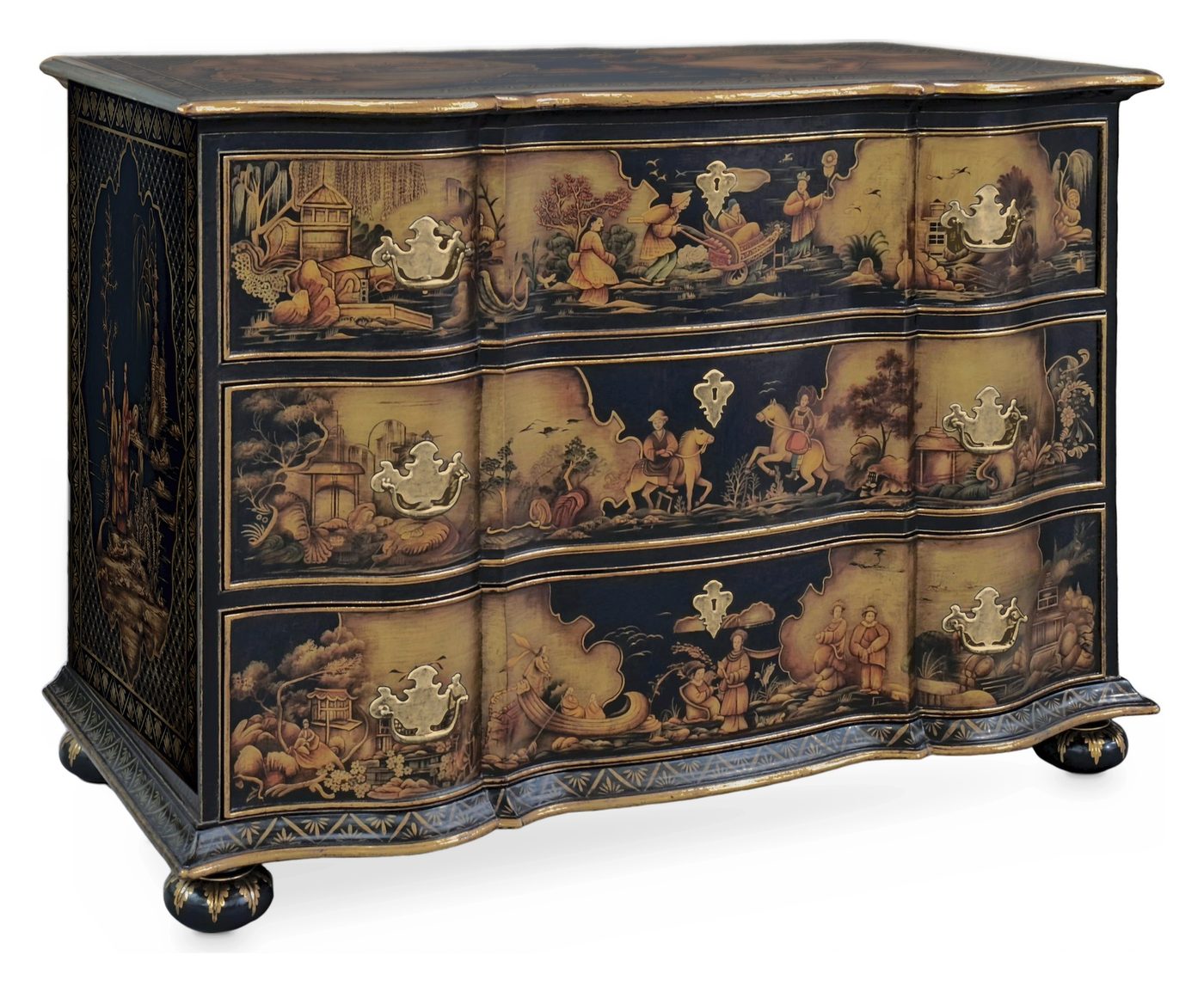
Veneto Chest of Drawers
Specifications
- Code
- 511 144 02
- Dimensions
- W 49-1/4" · D 24-3/4" · H 35"
FTE 125.5 · FDO 63.5 · ALT 89 cm - Materials
- Primavera wood with antiqued brass hardware.
- Packaging
- Package volume: 1.06 m³ (37.67 ft³)
Every angle
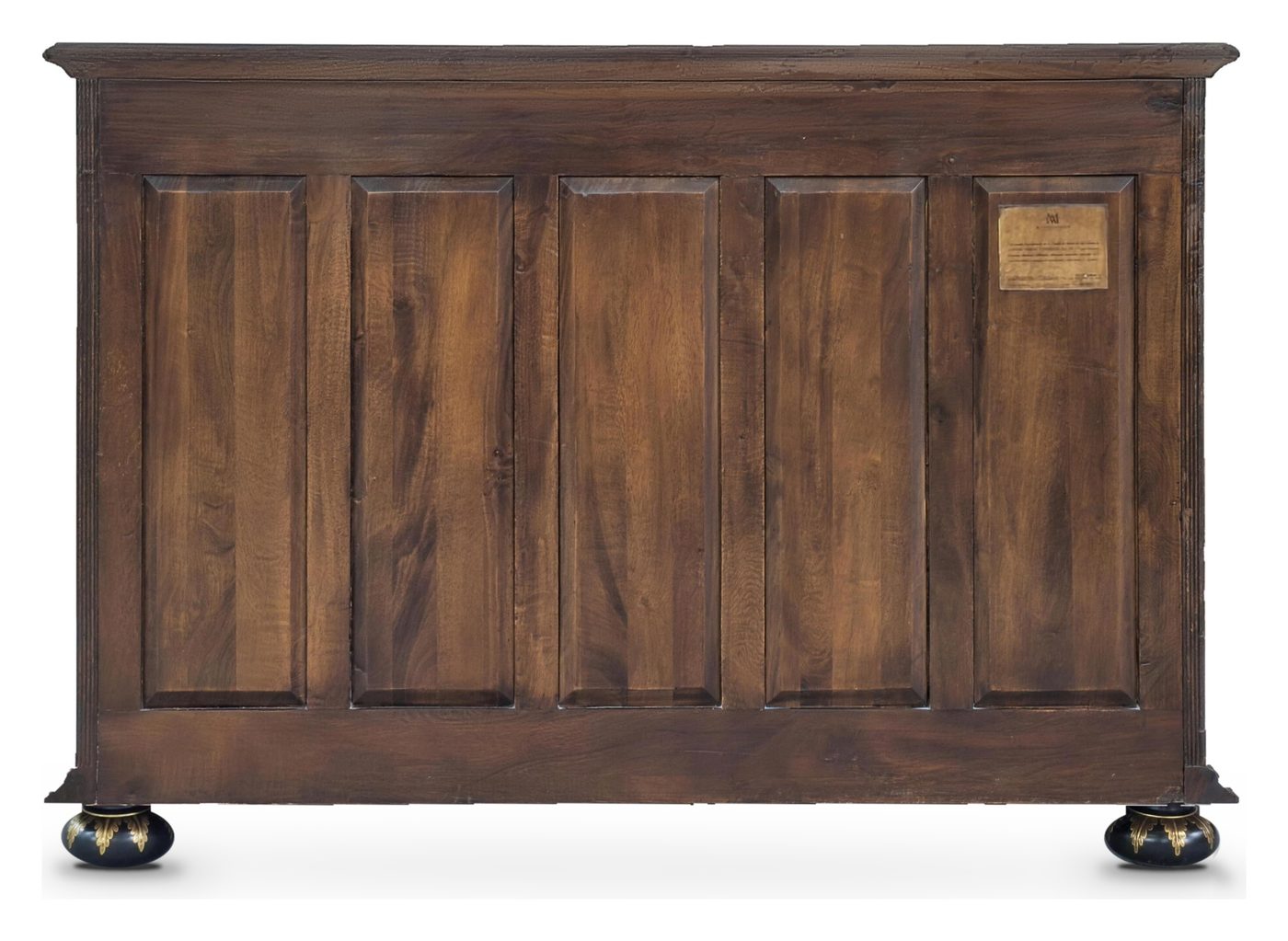
The details
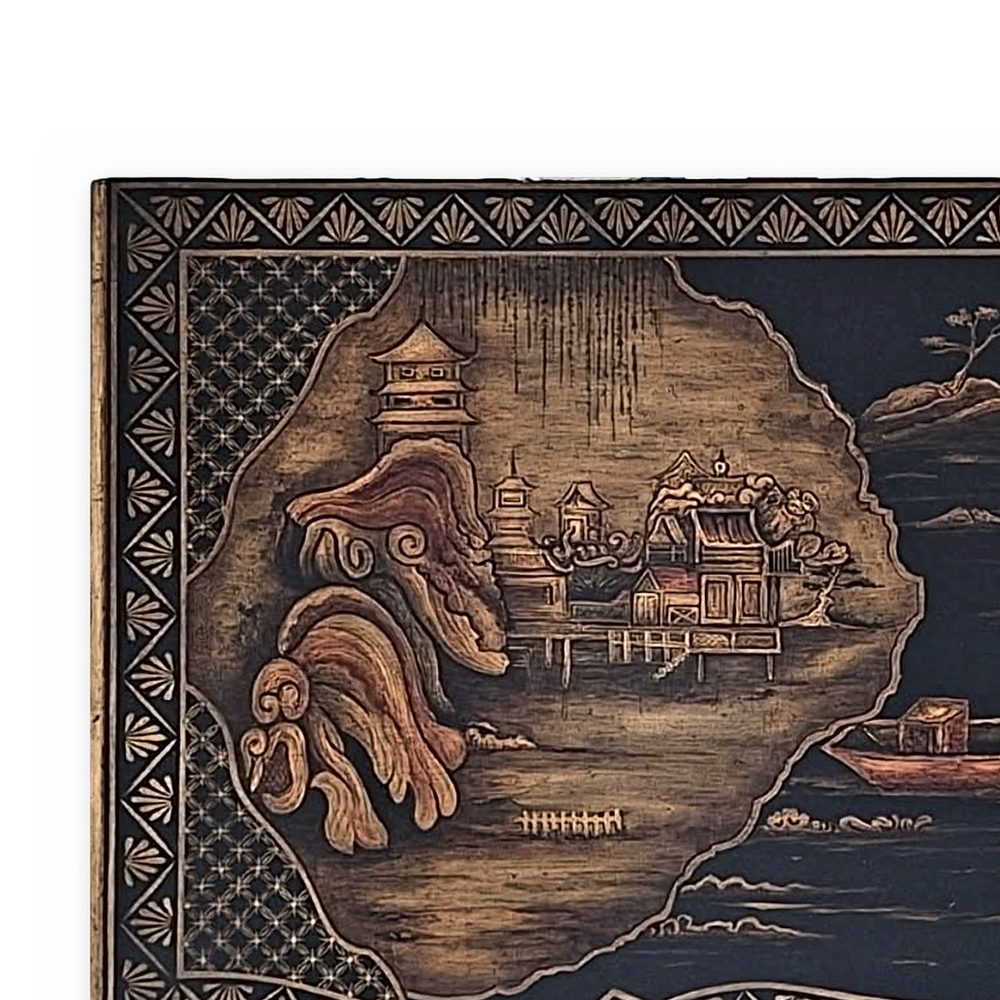
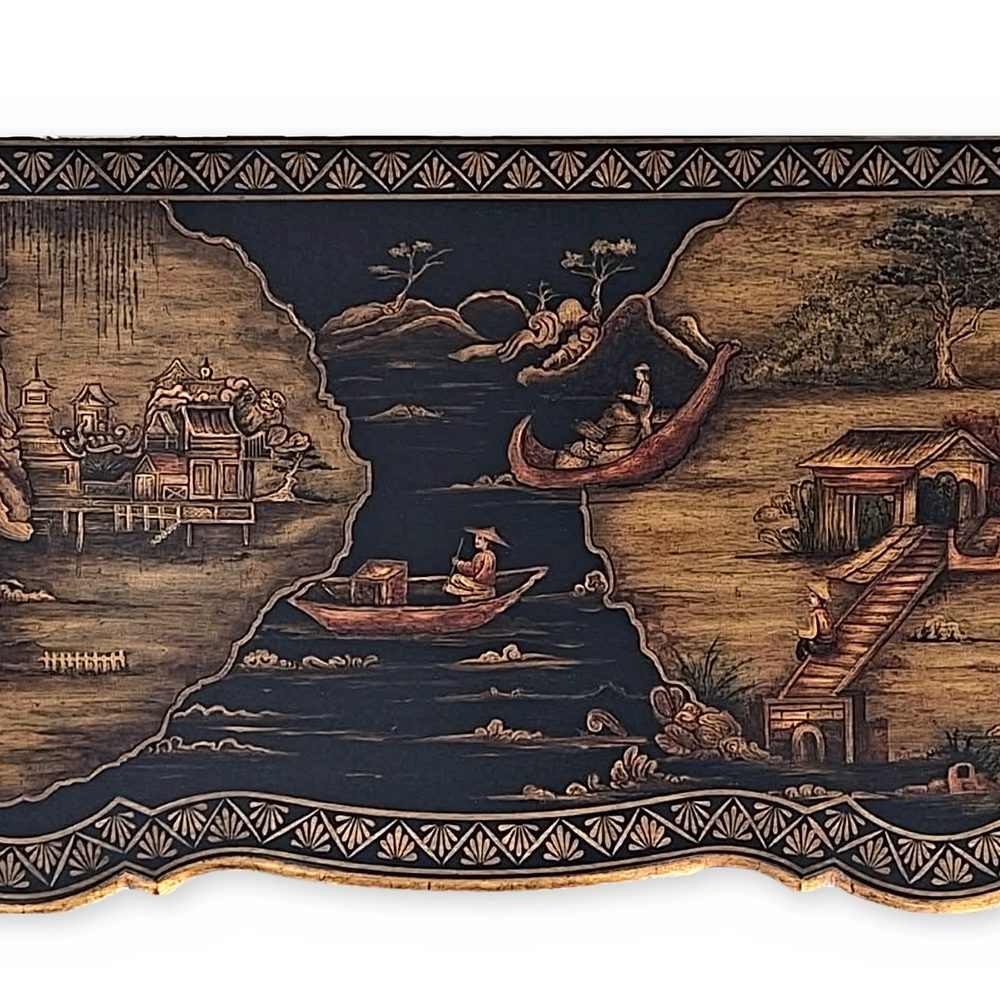
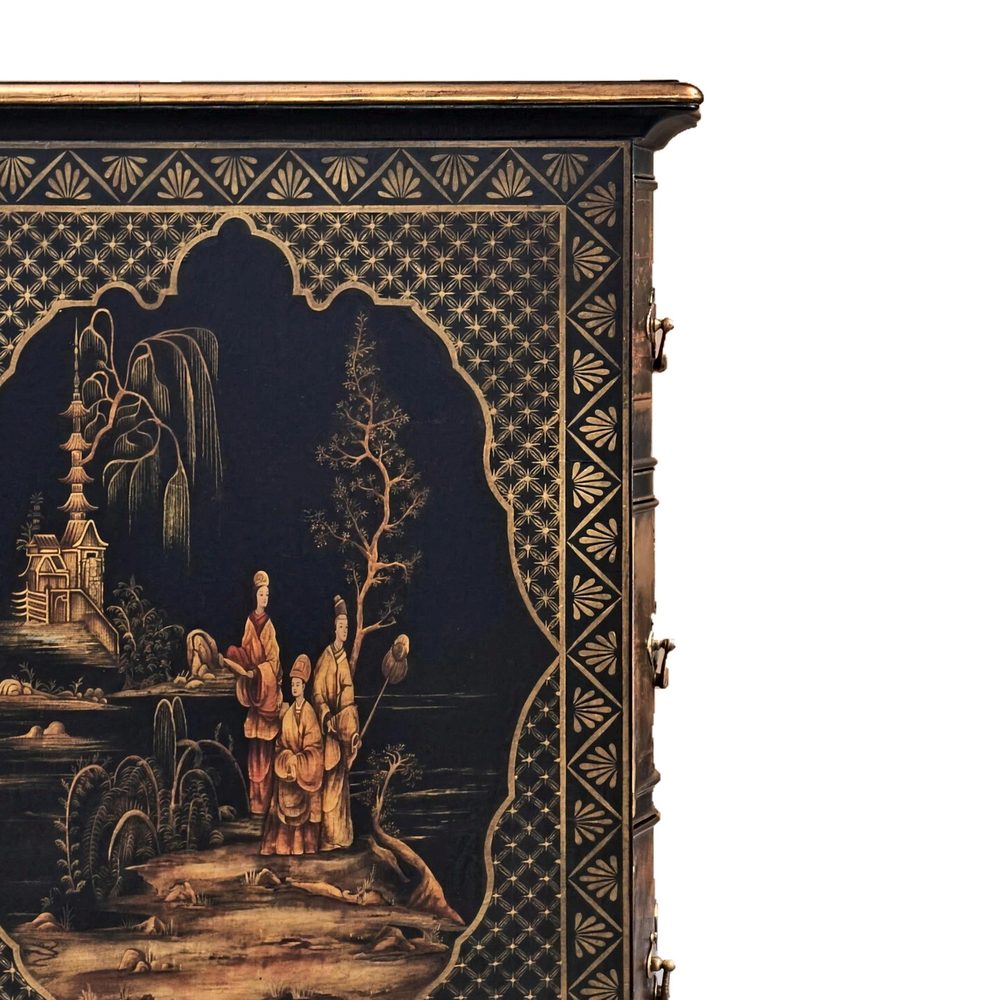
The inspiration
Inspired by 18th-century European furniture, the Veneto Chest of Drawers draws on the flowing forms of the Baroque period and the influence of chinoiserie, a decorative style that emerged from Europe's fascination with Asian art.
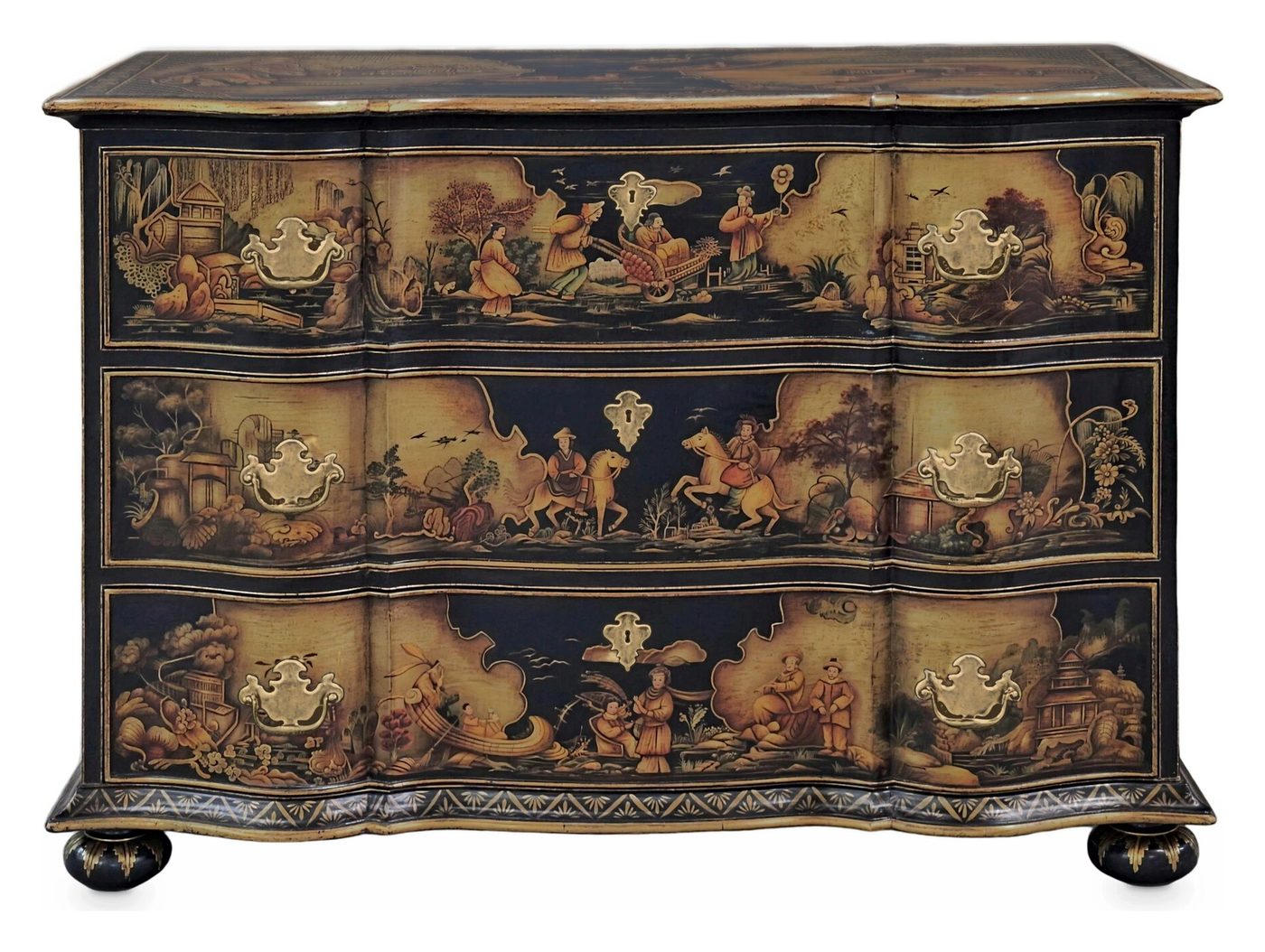
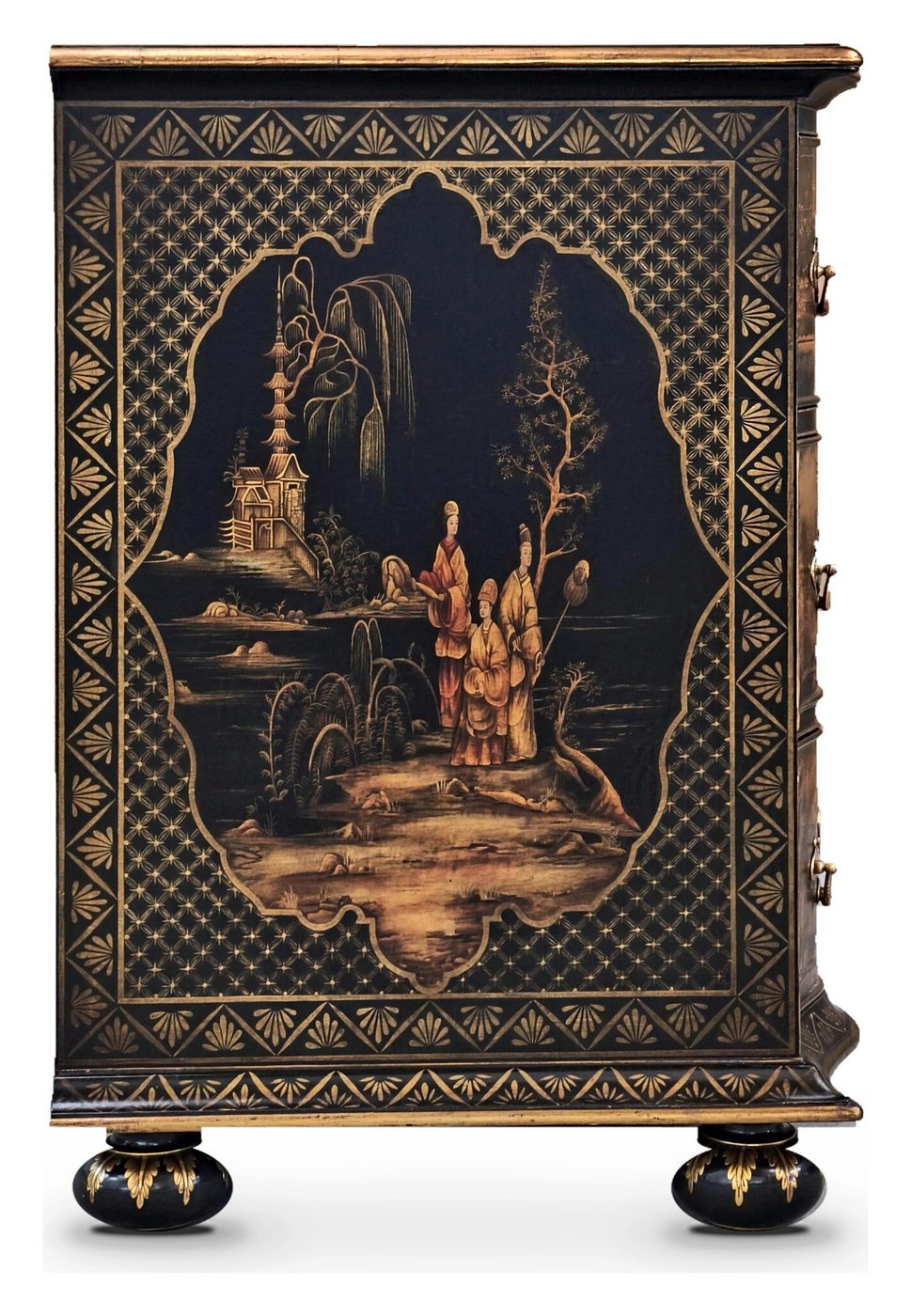
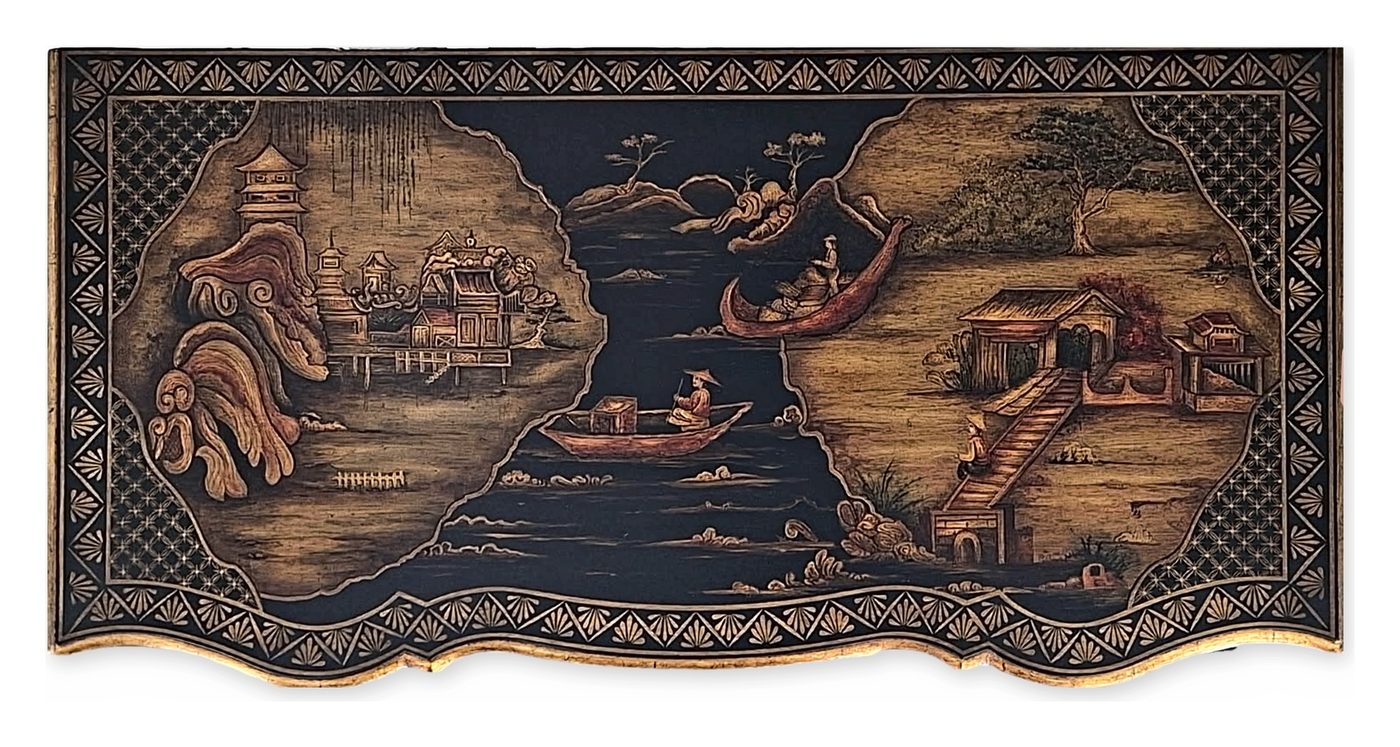
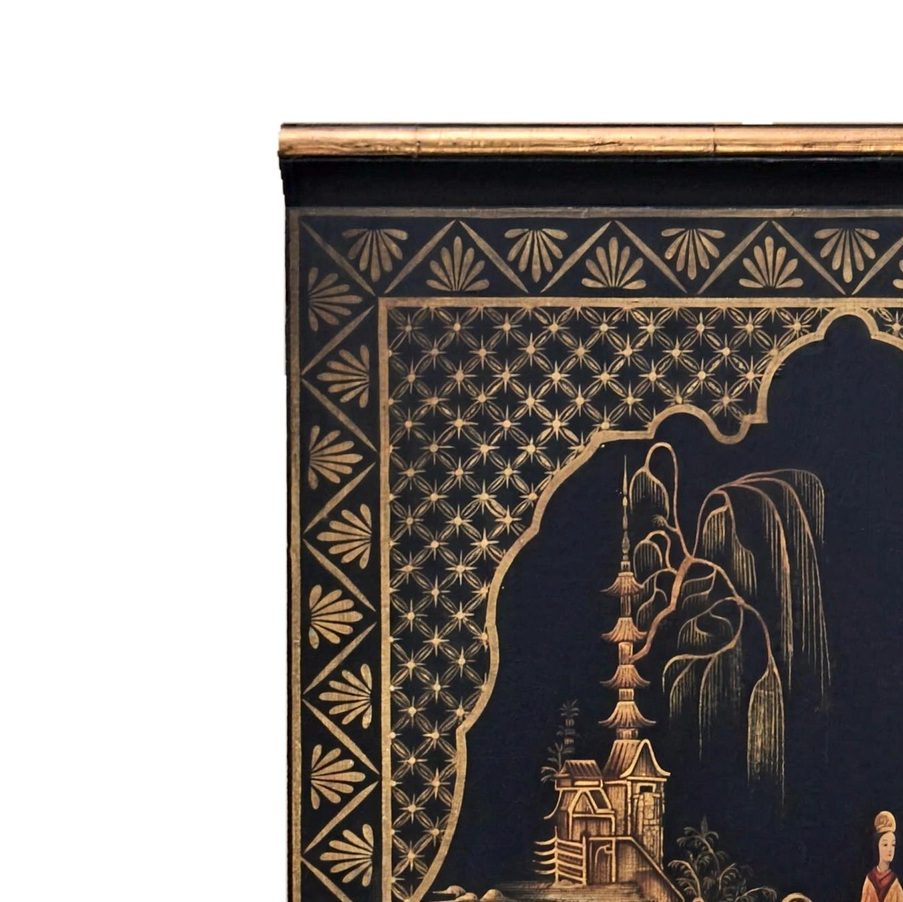
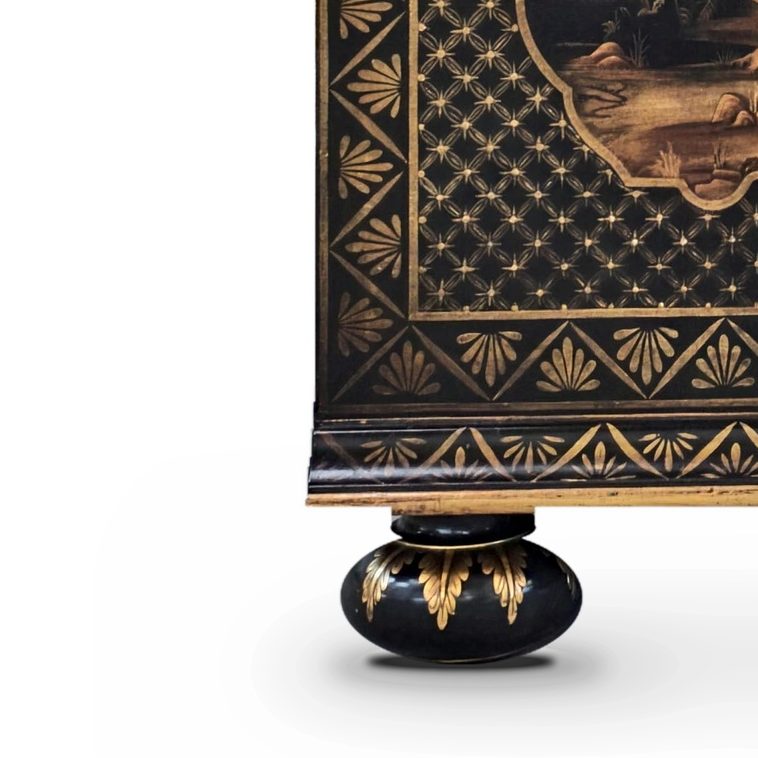
Its undulating front and elegant proportions provide a setting for delicate Asian-inspired landscapes, hand-painted across the drawers, top, and sides. Antiqued brass details complement the decoration and accentuate the curves of the piece.
The Veneto Chest of Drawers brings together two decorative traditions that shaped luxury furniture in the 18th century: European cabinetmaking and Asian-inspired painting, reinterpreted in a piece distinguished by both its design and the richness of its artistic craftsmanship.
Where it comes from
Chinoiserie emerged from the European fascination with the art and culture of China and other regions of Asia. During the 17th and 18th centuries, European cabinetmakers began to incorporate oriental landscapes, garden scenes, architecture, figures and natural motifs into their furniture.
What is interesting is that this decoration did not seek to reproduce Chinese art faithfully, but to interpret it through European imagination and artistic sensibility.
During the 18th century, some of the most exclusive commodes in France incorporated Chinese and Japanese lacquer panels. These pieces were so highly valued that cabinetmakers adapted the imported panels to the curves of their furniture. Examples of this work are held at the Metropolitan Museum and the Victoria & Albert Museum.
The Veneto belongs to that tradition, in which decorative painting, cabinetmaking and ornamentation raised furniture to the category of artistic objects. It does not carry authentic oriental lacquer.
How it is made
The making of the Veneto Chest of Drawers brings together two specialized crafts: traditional cabinetmaking and decorative painting carried out entirely by hand.
Its structure is crafted from primavera wood. A principal challenge is constructing the undulating front and curved drawers while preserving the design’s proportions and ensuring that every element fits and functions correctly. Our cabinetmakers use traditional dovetail joints, structural frames that provide strength, and floating wood panels that allow the wood to move naturally with changes in humidity. These techniques demand precision at every joint and contribute to the piece’s stability and longevity.
Before painting begins, drawings and samples are developed to study the compositions, colors, and placement of the Asian-inspired landscapes. The scenes are painted by hand across the drawer fronts, top, and sides, following the curves while maintaining visual continuity across the different surfaces.
Antiqued brass hardware is carefully integrated into the design. The finishing process involves successive stages of preparation and handwork to achieve the intended depth, texture, and final appearance.
The Veneto Chest of Drawers requires approximately 182 hours of production, including 125 hours dedicated to painting and finishing, in addition to the time spent developing preliminary samples. At Alfonso Marina, we preserve these cabinetmaking and decorative painting skills, which take years of experience to master.